We are celebrating our 3rd place win in the 2025 AAS Display Garden Landscape Design Challenge “S.T.E.A.M. in the Garden”!
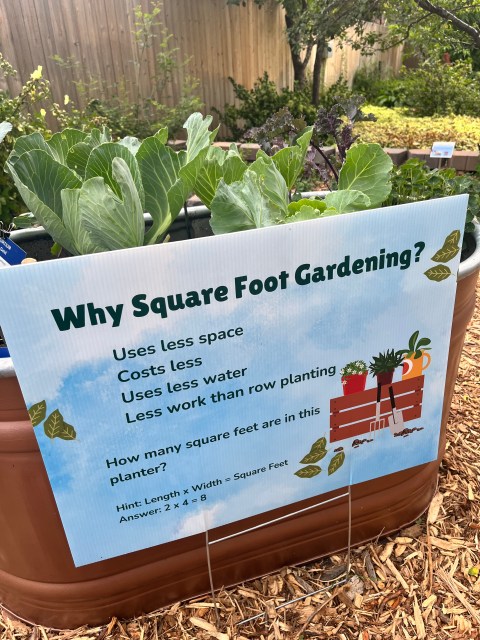
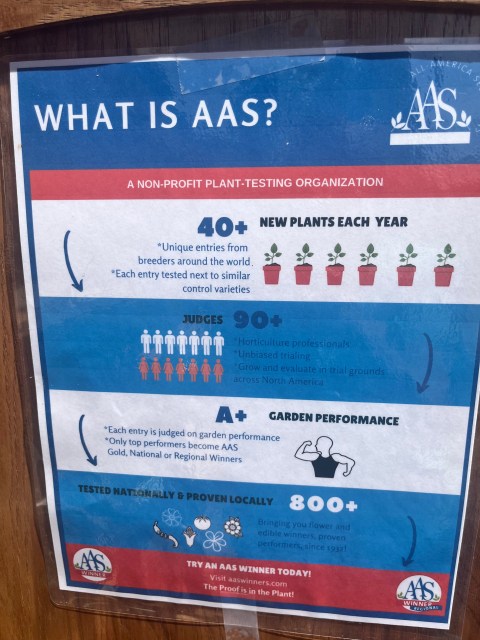
“The Horticultural Art Society (HAS) successfully integrated STEAM principles into their public garden by developing structured, interactive educational activities. The design included a Garden Library with an AAS Infographic and multi-level Scavenger Hunts, alongside raised plant troughs demonstrating square foot and companion gardening (Math/Science) and water-saving irrigation (Engineering). To promote ecological awareness, a functional worm box and a pollinator house offered hands-on learning. Art was emphasized through recycled material sculptures and creatively painted elements. These dynamic, educational features have notably increased visitor engagement, especially among young children, promoting sustainable living and environmental stewardship throughout the community.”




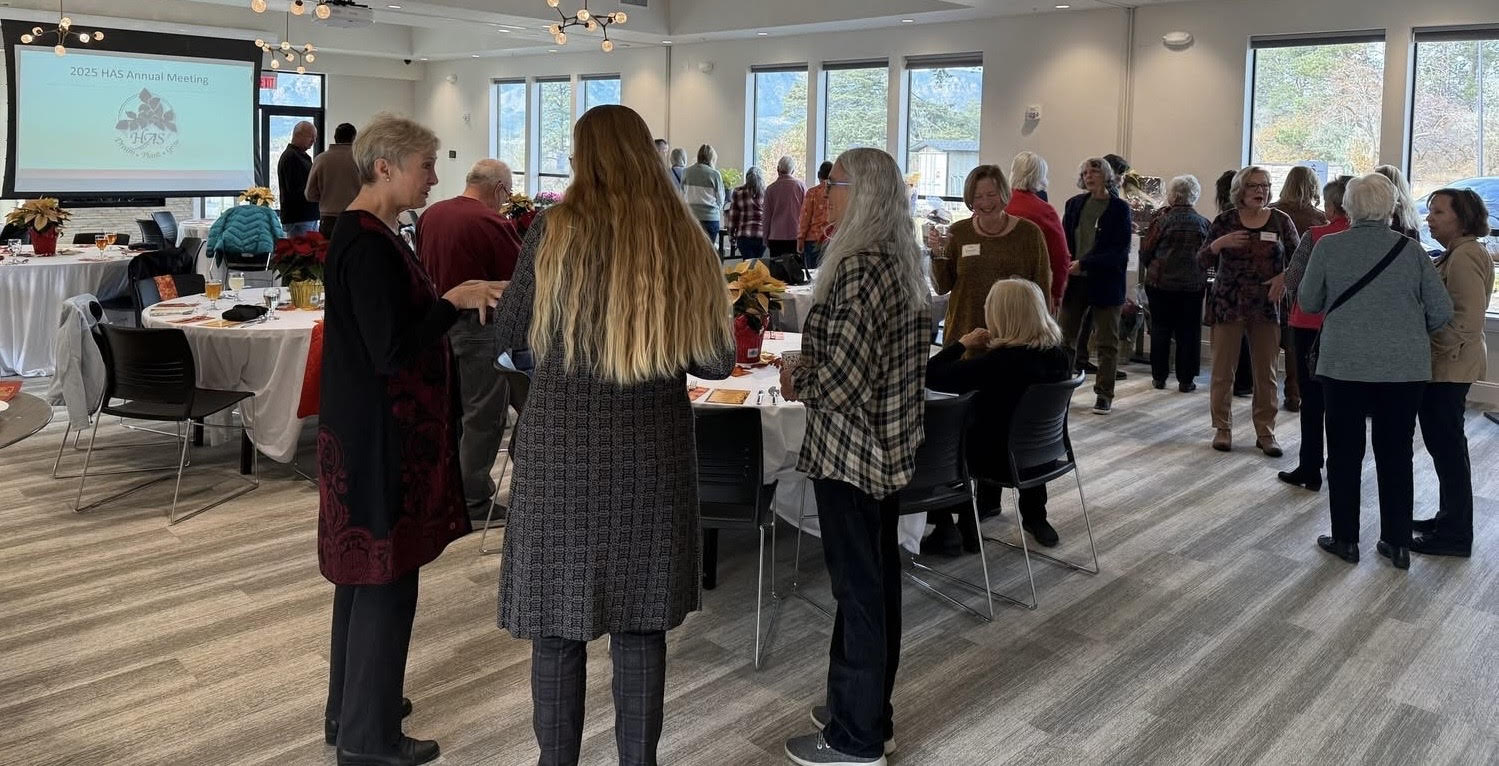
2025 Annual Meeting and Silent Auction Success!
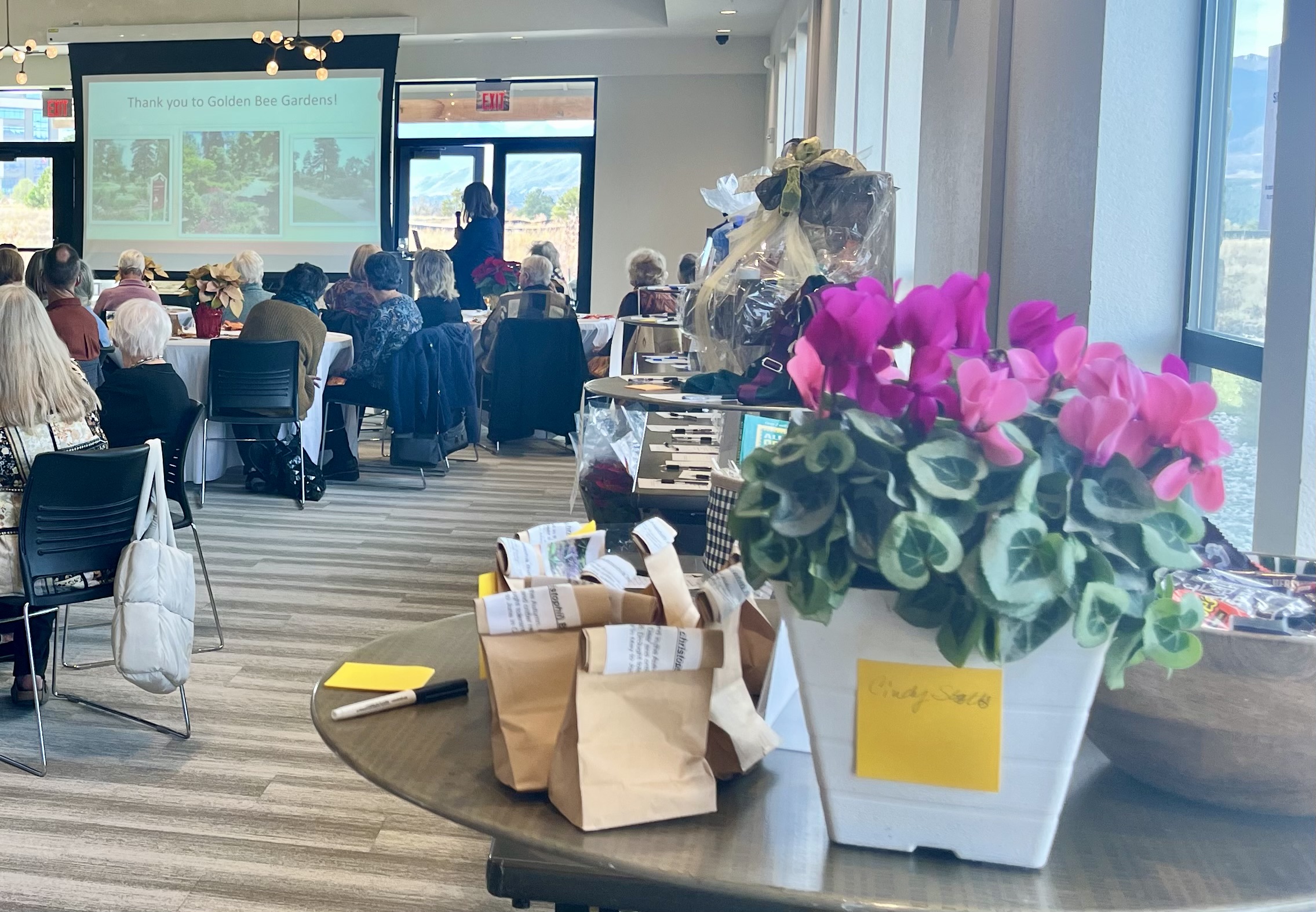
It was wonderful to enjoy the company of fellow HAS members at our 2025 Annual Meeting. The meeting flew by with fellowship, “shopping” amongst the silent auction items and plants, a recap of all of our hard work over the past year by our President Erin Eisen and an informative and humorous presentation from Dianne Reitan of Dianne’s Dahlias.
Volunteer of the Year is Chris Stribley. Chris has been a long-time, dedicated weekly volunteer with HAS and is a big contributor to the work we accomplish in the gardens. She always has a smile and doesn’t shy away from any garden task.
The Henry Cannell Founders award went to two people this year – Susan Flynn and Tracy Pedrick, who you may recognize as the garden coordinators for the Heritage Garden. Susie and Tracy have tirelessly managed our Heritage Garden through two years without irrigation due to the work the city was performing on Duck Lake. Managing the garden in and of itself is a big task, but extra praise is deserved in managing it through such a difficult period of time.
Dianne Reitan from Dianne’s Dahlias shared her journey to becoming a major dahlia grower in the Pikes Peak Region and why we should grow dahlias even though they are divas. She had us learning, lusting after the beautiful blooms, and laughing during her very enjoyable presentation. We very daringly tried a new venue, new catering, and a new silent auction format this year. It can be a challenge to balance a great experience while also being cost-effective. The feedback we heard at the event, as well as in the post-event survey, indicates the changes have been viewed in a very positive way.

Help Beautify Our Gardens
We’re seeking gardening volunteers to help maintain our gardens.
No experience is necessary; any amount of time you can spare is greatly appreciated. We provide training and orientation, so don’t worry if you’re new to gardening. We believe everyone has unique gifts to share, and we’d love for you to be part of our team. Join us in nurturing our green spaces and fostering community growth!
Make new friends, have fun, breathe fresh air, and contribute to the growth of horticulture in the Pikes Peak region. HAS runs on volunteer power and you as a helper can learn much about gardening from local gardeners.
Come for just an hour or stay for all 3 hours. We are flexible and want you to enjoy your time in the garden.
Tuesday or Thursday, Volunteers-Starting in April, join the HAS Gardener and
Volunteers on Tuesdays or Thursdays, 9:00 – 12:00 to help in the Demonstration garden.
Work may include planting, weeding, raking, and other activities.
Wednesday Volunteers- Starting in April, join the HAS Gardener and others on
Wednesday mornings from 9:00 – 12:00, to help in the Heritage Garden. Work may
include planting, weeding, raking, and other activities. In case of wet or cold weather,
volunteering may be canceled.
If you would like to get outdoors and help, sign up to volunteer here. Our gardening season for 2025 is over. Check back in March 2026.
 Horticultural Art Society